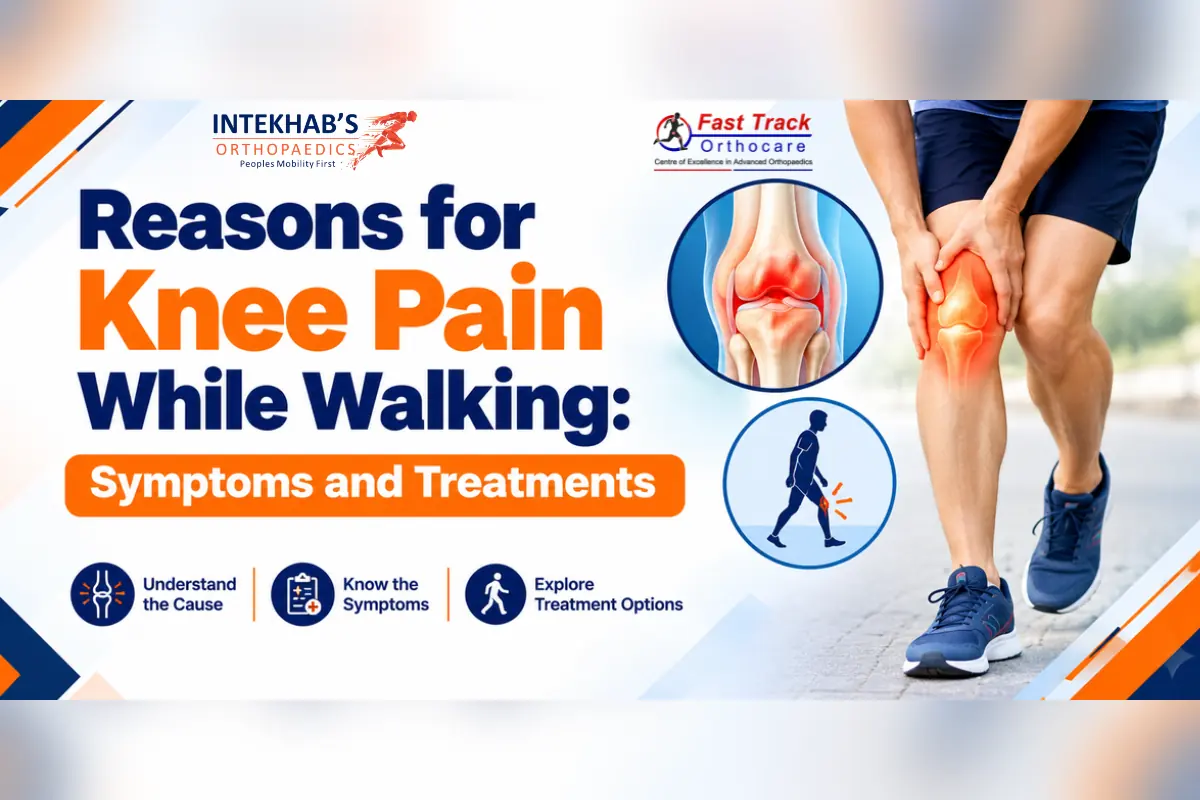
The reasons for and treatments for knee pain while walking will vary depending on the specific cause, including arthritis, ligaments or cartilage injury. Early diagnosis can help identify suitable treatment options. Dr. Intekhab Alam, an Orthopaedic and Joint Replacement Surgeon in Lucknow with 14+ years of experience, works at Fast Track Orthocare.
Short Overview of Knee Pain Cause and Cure
Depends on the cause, degree of symptoms and medical background of the patient. No treatment can ensure identical outcomes for all patients.
What Causes Knee Pain When Walking?
Walking places repeated stress on the knee joint, which supports body weight and helps the leg move. When cartilage, ligaments or surrounding tissues become irritated or damaged, walking may cause discomfort.
Common causes include:
Osteoarthritis: Gradual cartilage deterioration can cause pain, stiffness and restricted movement.
Knee injuries: Knee ligaments sprain and meniscus tears are among injuries associated with swelling and instability.
Overuse: Repeated activity can irritate the tissues around the joint.
Patellofemoral pain: Pain around the kneecap may worsen when climbing stairs, squatting or sitting for long periods.
Inflammation-related diseases: Certain disorders can lead to inflammation, pain, and stiffness.
Pain that continues or worsens should be evaluated by a health practitioner.
Symptoms to Watch For
Symptoms vary according to the underlying condition. Common signs include:
Pain during walking or climbing stairs
Stiffness after waking up or sitting for a long time
Swelling or tenderness around the knee
Difficulty bending or straightening the leg
Painful clicking or grinding sensations
A feeling that the knee may give way
Reduced walking distance because of discomfort
A suddenly hot and swollen knee with fever, a visible deformity or an inability to bear weight requires prompt medical assessment.
How Is Knee Pain Diagnosed?
An accurate diagnosis helps determine the most appropriate treatment. During an orthopaedic consultation, the doctor may ask when the pain started, whether an injury occurred and which activities make it worse.
The examination may include checking knee movement, tenderness, stability and walking pattern. An X-ray may help identify arthritis or changes in the joint. An MRI may be considered when further evaluation of cartilage, ligaments or other soft tissues is necessary.
Not everyone needs advanced imaging. The decision depends on the patient's symptoms and examination findings.
Treatment Options for Knee Pain
The treatment plan depends on the diagnosis, severity of symptoms, age, activity level and overall health.
1. Activity modification: Reducing activities that aggravate pain and choosing suitable low-impact exercises may help reduce joint stress.
2. Physiotherapy: Guided exercises can improve muscle strength, flexibility, balance and joint function.
3. Medicines: A healthcare practitioner may prescribe pain relief or anti-inflammatory drugs on the basis of medical history and side effects.
4. Injections: Selected patients may discuss injection-based treatments with their doctor. Benefits vary by treatment type and diagnosis, and potential risks should be explained before proceeding.
5. Surgery: Surgery may be considered when significant joint damage causes persistent symptoms despite appropriate non-surgical treatment.
Treatment outcomes vary, so patients should discuss expected benefits, limitations and alternatives with their healthcare professional.
When Is Knee Replacement Surgery Needed?
Knee replacement may be considered for advanced osteoarthritis or severe joint damage when pain significantly affects walking, sleep or daily activities and non-surgical treatment has not provided sufficient relief.
During the procedure, damaged joint surfaces are replaced with artificial components. The goal is to reduce pain and improve joint function, but surgery carries potential risks and requires rehabilitation. It is not necessary for everyone with knee pain.
Before making a decision, patients should discuss expected benefits, complications, recovery time and alternative treatments with their surgeon.
Choosing an Orthopaedic and Joint Replacement Surgeon in Lucknow
When selecting a specialist, patients should consider recognised qualifications, relevant experience, hospital facilities, communication and follow-up arrangements. It is also important to understand the available treatment options and the reasons for recommending a particular procedure.
Dr. Intekhab Alam has 14+ years of experience in orthopaedic care and works at Fast Track Orthocare in Lucknow. Patients can consult him to discuss knee symptoms, examination findings and suitable treatment options. Individual assessment is essential because the best approach depends on each patient's condition.
Frequently Asked Questions
1. Why does my knee hurt when I walk but not when resting?
Walking places pressure on the knee joint, which may aggravate osteoarthritis, overuse injuries or irritated tissues. A clinical assessment can help identify the cause.
2. Can knee pain improve without surgery?
Yes. Depending on the diagnosis, physiotherapy, activity modification, suitable medication and weight management may help. Surgery is generally considered when appropriate non-surgical options do not provide sufficient relief.
3. When should I consult an orthopaedic specialist for knee pain?
Consider a consultation if pain persists, walking becomes difficult or symptoms interfere with daily activities. Sudden severe pain, major swelling, fever or an inability to bear weight requires prompt medical attention.
4. How can students manage knee pain during sports or physical activities?
Students should stop or reduce activities that worsen the pain, avoid pushing through an injury and seek medical assessment if symptoms persist or swelling develops. A gradual return to sports should depend on recovery and professional advice.
5. How long does recovery from knee replacement take?
Recovery varies according to general health, the procedure and rehabilitation progress. Many patients begin walking with assistance soon after surgery, while strength and mobility may continue improving over several weeks and months.
Conclusion
Knee discomfort during walking can result from overuse, injuries or conditions such as osteoarthritis. Identifying the cause helps patients make informed decisions about treatment and protecting joint function. Dr. Intekhab Alam at Fast Track Orthocare, Lucknow, provides orthopaedic consultation for knee and joint concerns. Patients can discuss their symptoms and suitable care options based on an individual assessment.
Dr. Intekhab Alam
Specialist in robotic knee and hip joint replacement, arthroscopic ligament reconstruction and complex trauma fracture surgery, with 14+ years of clinical experience.
Book a consultation with Dr. Alam