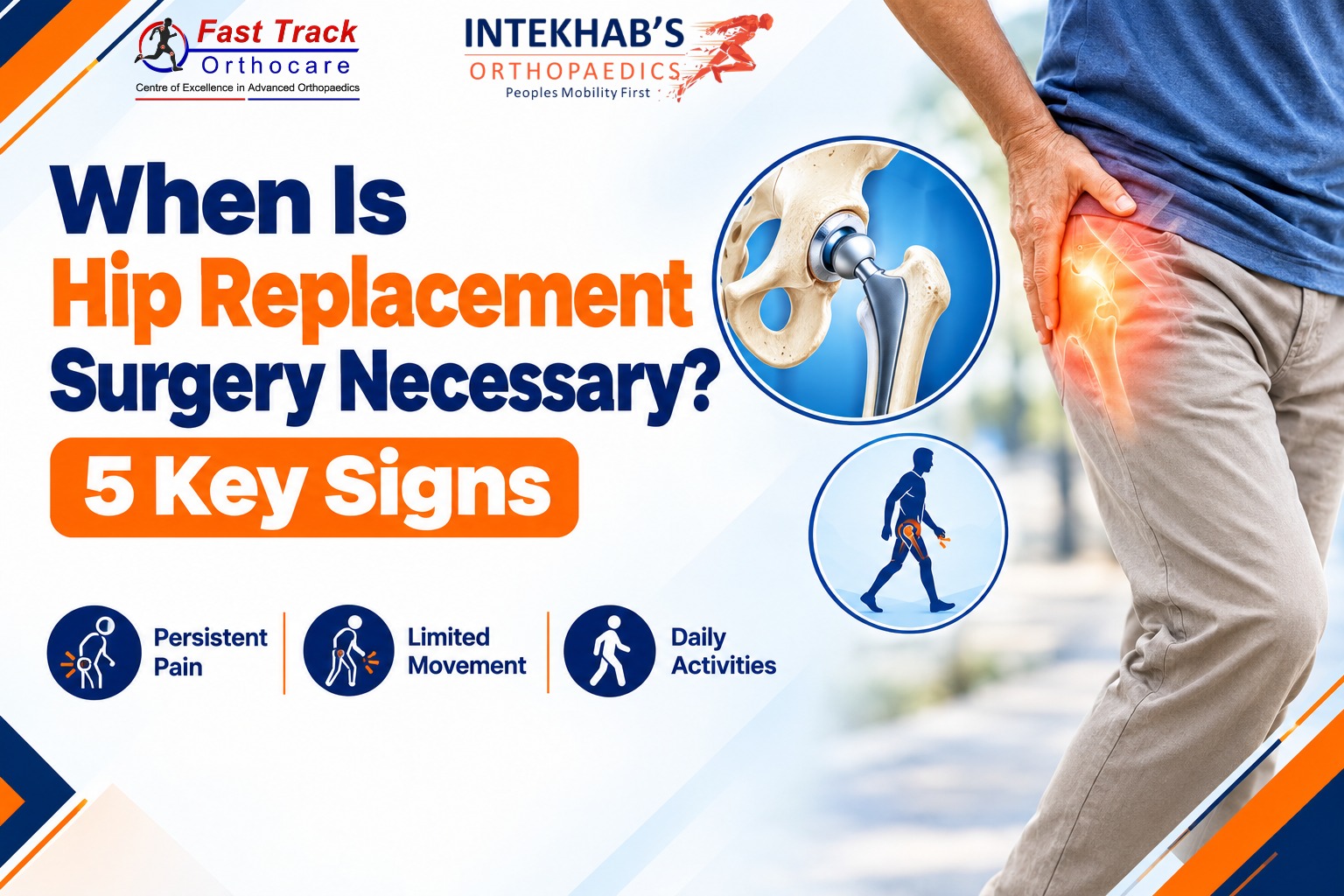
Hip pain can make everyday activities difficult, from climbing stairs to getting out of bed. When pain, stiffness, and restricted movement persist despite appropriate treatment, Hip Replacement Surgery in Lucknow may be an option. An orthopaedic specialist can assess your symptoms and determine whether surgery or another treatment is appropriate.
According to the American Academy of Orthopaedic Surgeons (AAOS), hip replacement may be considered when severe joint problems affect daily activities and non-surgical treatments no longer provide adequate relief. However, not everyone with hip pain needs surgery.
When Is Hip Replacement Surgery Necessary?
Hip replacement surgery may be recommended when damage to the hip joint causes persistent pain, stiffness, and difficulty performing routine activities. The decision depends on your symptoms, examination, imaging results, overall health, and response to other treatments.
If hip pain is affecting your sleep, walking, or independence, consulting a Hip Replacement Surgeon in Lucknow can help you understand the cause and explore suitable treatment options.
What Is Hip Replacement Surgery?
Hip replacement is a surgical procedure in which damaged parts of the hip joint are replaced with artificial components. Its main goals are to reduce pain, improve movement, and help patients return to daily activities.
Doctors may recommend the procedure for advanced arthritis or other conditions that severely damage the joint. Treatment is individualised, and non-surgical options may be appropriate depending on the diagnosis.
5 Signs You May Need Hip Replacement Surgery
1. Persistent Hip Pain
Pain that continues for weeks or months may indicate an underlying joint problem, particularly when it occurs while walking, standing, or resting. Discomfort may affect the hip, groin, thigh, or buttock.
If the pain repeatedly returns despite treatment, an orthopaedic assessment can help identify its cause. Surgery may be considered when significant joint damage is present and other treatments no longer provide sufficient relief.
2. Difficulty Walking or Climbing Stairs
Hip joint damage can make walking, climbing stairs, standing for long periods, or rising from a chair increasingly uncomfortable. You may also start avoiding activities you previously enjoyed.
When these difficulties affect your independence, seek medical advice. A specialist can assess your mobility and determine whether the problem requires physiotherapy, medication, or surgical treatment.
3. Stiffness and Reduced Movement
Persistent stiffness can make bending, putting on shoes, getting into a vehicle, or moving after prolonged sitting difficult. These symptoms may occur with arthritis or other hip conditions.
A clinical examination and appropriate imaging can help determine whether the joint is significantly damaged. Early evaluation may also help identify suitable treatment before symptoms become more limiting.
4. Hip Pain That Disturbs Sleep
Hip pain that continues at night may affect sleep quality and daily energy levels. Some people experience discomfort when lying on the affected side or struggle to find a comfortable position.
Night pain does not automatically mean you need surgery. However, persistent or worsening pain, especially alongside stiffness and reduced mobility, should be assessed by a healthcare professional.
5. Limited Relief From Non-Surgical Treatment
Depending on the condition, treatment may include prescribed medication, physiotherapy, activity modification, weight management, or walking aids.
If these approaches do not provide adequate relief and everyday activities remain difficult, your doctor may discuss hip replacement. Surgery is generally considered when symptoms significantly affect quality of life and investigations indicate substantial joint damage.
Which Conditions May Require Hip Replacement?
Several conditions can cause severe hip joint damage, including:
Osteoarthritis: Breakdown of joint cartilage that causes pain and stiffness.
Rheumatoid arthritis: Inflammation that can progressively damage the joint.
Avascular necrosis: Reduced blood supply that may cause bone damage or collapse.
Severe hip injuries: Certain fractures may damage the joint enough to require replacement.
The appropriate treatment depends on the diagnosis, severity, and individual circumstances.
How Do Doctors Decide If You Need Surgery?
An orthopaedic specialist reviews your symptoms, medical history, walking ability, and hip movement. X-rays or other investigations may be recommended to evaluate joint damage.
Hip replacement may be considered when significant damage causes persistent pain and limited mobility despite appropriate non-surgical treatment. Age alone does not determine suitability; overall health, activity level, and personal needs also matter.
Frequently Asked Questions
1. What are the main signs that I may need hip replacement surgery?
Persistent pain, stiffness, difficulty walking, disturbed sleep, and limited improvement with non-surgical treatment may indicate the need for further assessment. Surgery depends on the diagnosis and severity of joint damage.
2. Can hip replacement surgery be avoided?
Some patients manage symptoms through medication, physiotherapy, activity modification, and other treatments. Severe joint damage may require surgery when these options no longer provide sufficient relief.
3. How long does recovery from hip replacement surgery take?
Recovery varies according to health, the surgical procedure, and rehabilitation progress. Many patients resume everyday activities gradually over several weeks, while strength and mobility may continue improving for months.
4. Who should I consult for hip replacement surgery in Lucknow?
Consult a qualified orthopaedic and joint replacement surgeon who can assess your symptoms and explain suitable options. Dr. Intekhab Alam at Fast Track Orthocare Hospital, Lucknow, can provide an evaluation and treatment guidance.
Dr. Intekhab Alam
If hip pain is affecting your daily routine, seek an orthopaedic evaluation rather than relying on painkillers alone. Dr. Intekhab Alam at Fast Track Orthocare Hospital, Lucknow, can assess your symptoms and guide you regarding appropriate treatment options. If you are considering Hip Replacement Surgery in Lucknow, a consultation can help you understand your diagnosis, available treatments, and whether surgery may be suitable for you.
Book a consultation with Dr. Alam