Joint replacement surgery can help people with severe joint damage, persistent pain and restricted movement regain mobility and improve their quality of life. A qualified Joint Replacement Surgeon in Lucknow evaluates the condition, recommends suitable treatment and guides patients through surgery and recovery.
Joint pain can gradually affect everyday activities, including walking, climbing stairs, sitting and sleeping. Conditions such as osteoarthritis, rheumatoid arthritis and advanced cartilage damage can make normal movement increasingly difficult. When medication, physiotherapy and other non-surgical treatments no longer provide sufficient relief, joint replacement may become an appropriate option.
What Is Joint Replacement Surgery?
Joint replacement surgery, also known as arthroplasty, is an orthopaedic procedure in which a damaged joint or its affected surfaces are replaced with artificial components called implants.
The procedure commonly treats the knee and hip joints. The surgeon selects the appropriate implant and surgical technique according to the patient's joint condition, bone quality, age, medical history and mobility requirements.
Common types of joint replacement include:
Total Knee Replacement: Replaces the damaged surfaces of the knee joint.
Partial Knee Replacement: Replaces only the affected portion of the knee.
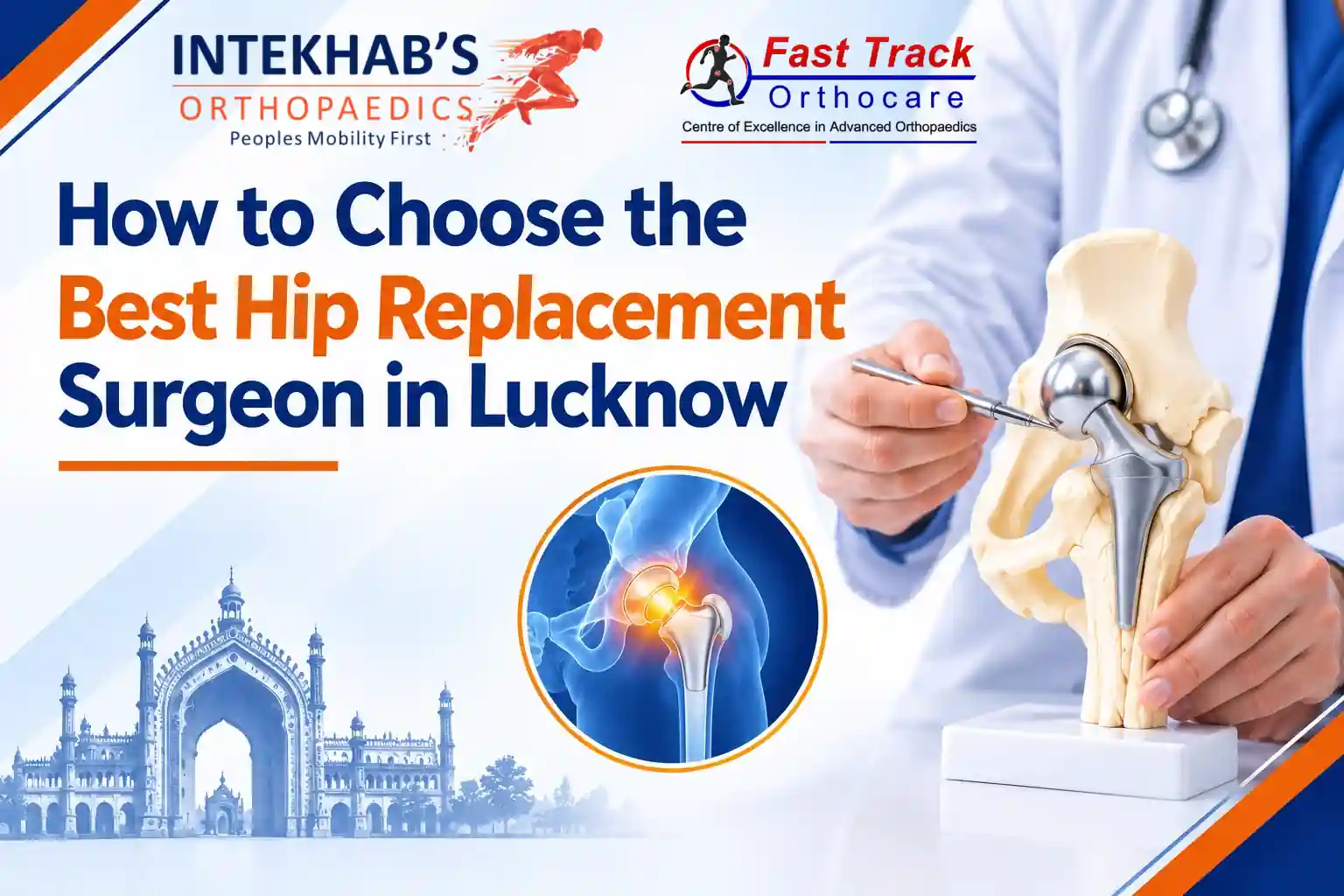
Total Hip Replacement: Replaces the damaged hip joint surfaces with artificial components.
Revision Joint Replacement: Corrects or replaces an existing implant when complications or implant-related problems occur.
Not every patient with joint pain requires surgery. An orthopaedic specialist first evaluates whether conservative treatment can provide sufficient relief.
When Should You Consider Joint Replacement Surgery?
An orthopaedic consultation may be helpful when joint problems continue to interfere with daily activities.
Some common signs include:
Persistent knee or hip pain despite treatment.
Difficulty walking or climbing stairs.
Joint stiffness that restricts movement.
Pain that disturbs sleep or daily activities.
Swelling and reduced joint flexibility.
Difficulty standing, sitting or performing routine tasks.
Advanced osteoarthritis, rheumatoid arthritis, avascular necrosis (AVN), previous joint injuries and severe cartilage damage may also lead to joint replacement recommendations.
The final decision depends on clinical examination, imaging reports and the patient's overall health.
How to Prepare for Joint Replacement Surgery
Proper preparation helps patients understand the procedure and plan for a smoother recovery.
1. Complete Medical Evaluation
The surgeon reviews medical history, existing health conditions, previous treatments and current medications. X-rays and other investigations help assess the extent of joint damage.
2. Follow Pre-Surgery Instructions
Patients should discuss their medicines, allergies and any existing medical conditions with the treating team. Follow the surgeon's instructions regarding fasting and medication adjustments before surgery.
3. Improve Physical Readiness
Where appropriate, the doctor may recommend specific exercises to strengthen muscles and improve flexibility before the operation.
4. Prepare Your Home
Arrange a comfortable recovery space, remove obstacles that may cause falls and keep essential items within easy reach. A family member or caregiver can also help during the initial recovery period.
What Happens During Joint Replacement Surgery?
Joint replacement surgery follows a carefully planned process. The exact technique depends on the joint involved and the patient's condition.
Step 1: Anaesthesia
The anaesthesia team selects an appropriate anaesthesia method based on the patient's health and surgical requirements.
Step 2: Surgical Procedure
The surgeon accesses the affected joint and removes damaged cartilage and bone surfaces as required.
Step 3: Implant Placement
Artificial joint components are positioned and secured to restore joint alignment and function.
Step 4: Wound Closure and Monitoring
The surgical area is closed, and the patient moves to postoperative monitoring. The medical team manages pain and monitors early recovery.
Benefits of Joint Replacement Surgery
For appropriately selected patients, joint replacement can provide several functional and quality-of-life benefits.
Pain Reduction: Helps relieve pain caused by advanced joint damage.
Improved Mobility: Supports easier walking and everyday movement.
Better Joint Function: Helps improve the ability to perform routine activities.
Greater Independence: May reduce dependence on others for daily tasks.
Improved Quality of Life: Can support better sleep, comfort and participation in everyday activities.
The results vary depending on the patient's health, joint condition, implant and rehabilitation.
Recovery After Joint Replacement Surgery
Recovery is an important part of the treatment process. Physiotherapy, regular follow-ups and adherence to medical advice help patients regain strength and mobility.
At Fast Track Orthocare Hospital, recovery support includes physiotherapy and structured postoperative rehabilitation.
Early Recovery: The medical team encourages movement and guided walking when clinically appropriate. Some patients may begin assisted mobilisation on the day of surgery.
First Two Weeks: Patients may use a walker or other walking support. Wound care, prescribed medicines and recommended exercises remain important.
Following Weeks: Physiotherapy focuses on improving muscle strength, joint flexibility, balance and walking ability. The surgeon may gradually modify walking support according to progress.
Around Three Months: Many patients make substantial rehabilitation progress during this period. However, complete recovery can take longer depending on the procedure and individual health.
Patients should never rush exercises or discontinue walking support without medical guidance.
Joint Replacement Treatment at Fast Track Orthocare Hospital, Lucknow
Dr. Intekhab Alam is an experienced orthopaedic and joint replacement surgeon and Director of Fast Track Orthocare Hospital, Lucknow. He has more than 14 years of orthopaedic experience and has performed over 2,000 joint replacement procedures.
Fast Track Orthocare provides specialised orthopaedic consultations, knee and hip replacement services, modular operation theatre facilities, in-house diagnostics, digital X-ray and postoperative physiotherapy and rehabilitation support.
Patients receive an individual treatment plan based on their medical condition, examination findings and recovery requirements.
If persistent knee or hip pain is affecting your everyday life, consult Dr. Intekhab Alam to understand your treatment options and whether joint replacement surgery is suitable for your condition.
Frequently Asked Questions (FAQs)
1. What is the main purpose of joint replacement surgery?
The main purpose is to replace damaged joint surfaces with artificial components to reduce pain, improve movement and restore joint function.
2. Who needs joint replacement surgery?
People with advanced osteoarthritis, rheumatoid arthritis, severe cartilage damage or other conditions causing significant joint damage may require surgery when non-surgical treatments no longer provide sufficient relief.
3. How long does joint replacement surgery take?
The duration depends on the type of joint replacement, the complexity of the condition and the surgical technique. Knee replacement procedures commonly take around one to two hours.
4. How long does recovery take after joint replacement surgery?
Recovery varies between patients. Many make significant progress within three months, although complete rehabilitation may take longer.
5. Is physiotherapy necessary after joint replacement surgery?
Yes. Physiotherapy plays an important role in rebuilding muscle strength, improving flexibility, restoring balance and supporting safe movement.
6. Who is a joint replacement surgeon in Lucknow?
Dr. Intekhab Alam is an orthopaedic and joint replacement surgeon practising at Fast Track Orthocare Hospital, Lucknow. Patients can consult him for knee and hip joint evaluation and personalised treatment guidance.
Dr. Intekhab Alam
Specialist in robotic knee and hip joint replacement, arthroscopic ligament reconstruction and complex trauma fracture surgery, with 14+ years of clinical experience.
Book a consultation with Dr. Alam